
Maintaining Independence as You Age: A Practical Guide
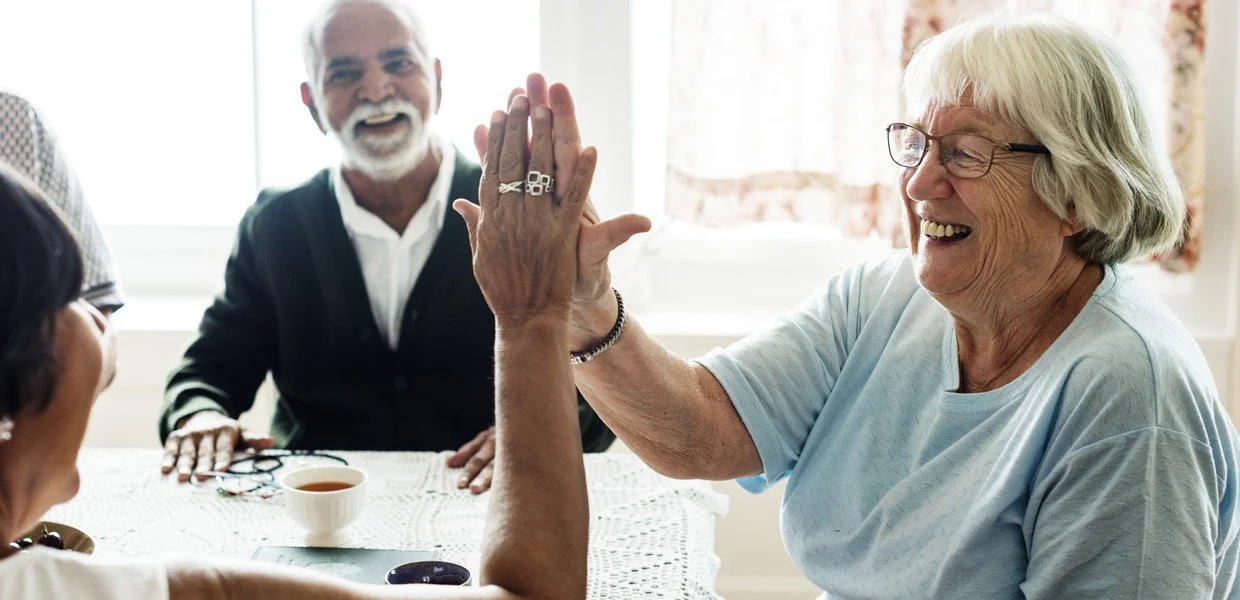
Getting older doesn't mean giving up on the life you know. With the right support and a few adjustments, independence can last much longer than you might think.
Independence matters. It's not just about doing things for yourself. It's about choice, dignity, and feeling like you're still in control of your own life.
For older people, holding onto that independence can feel like a battle against a body that doesn't cooperate like it used to. For families, it's a balancing act between wanting to help and not wanting to take over.
The good news is that independence isn't all or nothing. There's a lot that can be done to make daily life easier, safer, and more manageable, without losing the things that matter most.
This guide is for older people who want to stay independent for as long as possible, and for the families who want to support them in doing exactly that.
Staying Active and Mobile

Movement is one of the biggest factors in maintaining independence. The more you move, the more you can move. It's that simple.
This doesn't mean you need to run marathons or join a gym. It means finding ways to keep your body working that fit into your life and feel achievable.
Walking is one of the best things you can do. Even short, regular walks around the block or to the local shops help maintain strength, balance, and cardiovascular health. If walking has become difficult, a stick or walking frame isn't a sign of defeat. It's a tool that keeps you moving safely.
Strength matters more than people realise. Muscle loss is a natural part of ageing, but it can be slowed down significantly with simple exercises. Things like standing up from a chair without using your hands, gentle squats while holding onto the kitchen counter, or lifting light weights can make a real difference to everyday tasks like carrying shopping or climbing stairs.
Balance exercises help prevent falls, which are one of the biggest threats to independence. Standing on one leg while brushing your teeth, heel-to-toe walking, or seated exercise classes designed for older adults can all help.
If you're unsure where to start, ask your GP for a referral to a physiotherapist or look into local exercise classes for older people. Many areas run free or low-cost sessions specifically designed for those who want to stay active but need something gentler.
The key is consistency. A little bit every day beats an intense session once a month.
Adapting Your Home for Safety
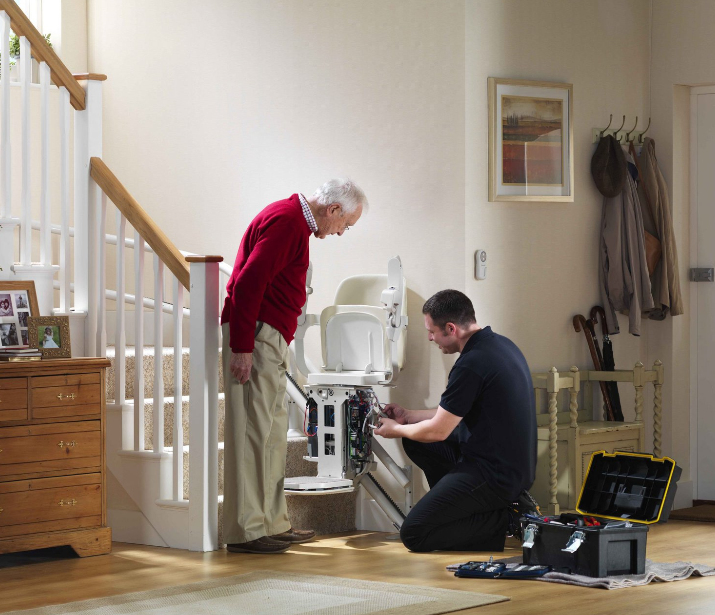
Your home should work for you, not against you. As mobility or eyesight changes, small adjustments can make a big difference to safety and confidence.
Start with lighting. Poor lighting is a hidden danger. Make sure hallways, stairs, and doorways are well lit. Consider motion-sensor lights for nighttime trips to the bathroom. Replace dim bulbs and keep a torch by the bed.
Remove tripping hazards. Loose rugs, trailing cables, and clutter on the floor are accidents waiting to happen. Secure rugs with non-slip backing or remove them altogether. Keep walkways clear.
In the bathroom, grab rails near the toilet and in the shower or bath can make a huge difference. A shower stool or bath seat allows you to wash safely without standing for long periods. Non-slip mats inside and outside the bath or shower are essential.
On the stairs, make sure handrails are sturdy and on both sides if possible. If stairs are becoming difficult, think about whether a stairlift might help, or whether you could set up a bedroom downstairs.
In the kitchen, move frequently used items to waist height so you're not reaching up or bending down. A perching stool lets you sit while preparing food. Kettle tippers and jar openers can help with tasks that have become tricky.
Your local council can arrange a free home assessment through an occupational therapist, who can recommend changes and equipment. Many aids are available free or at low cost through the NHS or local authority.
Don't wait for a fall to make changes. Prevention is always easier than recovery.
Managing Daily Tasks and Routines
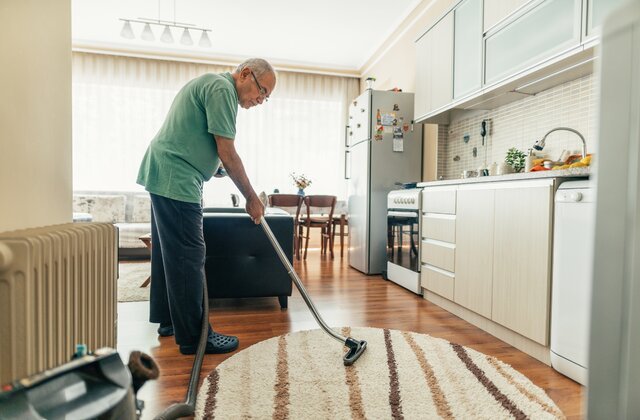
Keeping on top of daily life is central to feeling independent. When everyday tasks start to feel overwhelming, it's worth looking at what can be simplified rather than handed over entirely.
Medication can be one of the trickiest things to manage. If keeping track of pills is becoming confusing, ask your pharmacist about blister packs, which organise medication by day and time. Some pharmacies also offer delivery services.
Meal preparation often gets harder as energy and mobility decrease. Batch cooking on good days and freezing portions means you always have something nutritious ready to heat up. Meal delivery services, whether through the council or private companies, can fill the gaps without taking away your choice about what you eat.
Shopping can be adapted too. Online grocery shopping with home delivery takes the physical strain out of it. Many supermarkets have accessibility features and staff who can help if you prefer to shop in person.
Keeping the house clean and tidy might need some adjustment. A cleaner coming in once a week or fortnight can take the pressure off without taking over. If that's not affordable, focus on the rooms you use most and let go of perfectionism in the rest.
Routines help. Having a loose structure to your day, regular times for meals, medication, and activity, makes things easier to remember and gives the day shape. It also helps families know when to check in.
Technology can be a help here too. Simple reminder apps, voice assistants like Alexa, or even just alarms on your phone can prompt you for medication, appointments, or when to eat.
The goal is to find what works for you. Independence isn't about doing everything yourself. It's about staying in charge of how things get done.
Maintaining Social Connections
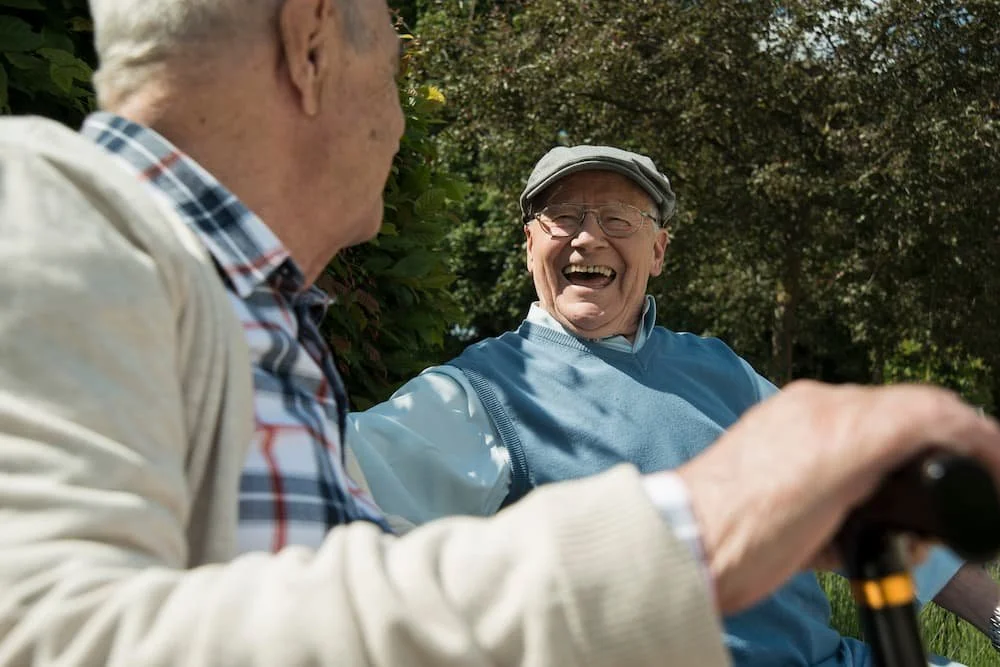
Loneliness is one of the biggest risks to health and wellbeing in older age. Studies have shown its effects are comparable to smoking or obesity. Staying connected isn't just nice to have. It's essential.
But social connection can get harder as you age. Friends pass away, mobility limits where you can go, and family might live far away.
The first step is recognising that this matters. It's not self-indulgent to prioritise seeing people or talking to someone. It's one of the best things you can do for your health.
If getting out is difficult, think about what can come to you. Phone calls and video chats with family and friends, visits from neighbours, or befriending services run by charities like Age UK can all help.
If you're able to get out, look for local activities that interest you. Community centres, libraries, places of worship, hobby groups, and volunteer opportunities all offer chances to meet people. Many areas have lunch clubs or coffee mornings specifically for older people.
Intergenerational connection can be especially rewarding. Spending time with grandchildren, younger neighbours, or through programmes that pair older adults with students can bring fresh energy and a sense of purpose.
For families, don't underestimate the power of regular contact. A quick phone call, a visit for tea, or including your loved one in family events makes them feel valued and part of life, not sidelined by it.
If your loved one seems to be withdrawing, take it seriously. Depression is common in older adults and often goes unrecognised. A conversation with their GP can be a good starting point.
A Note for Families
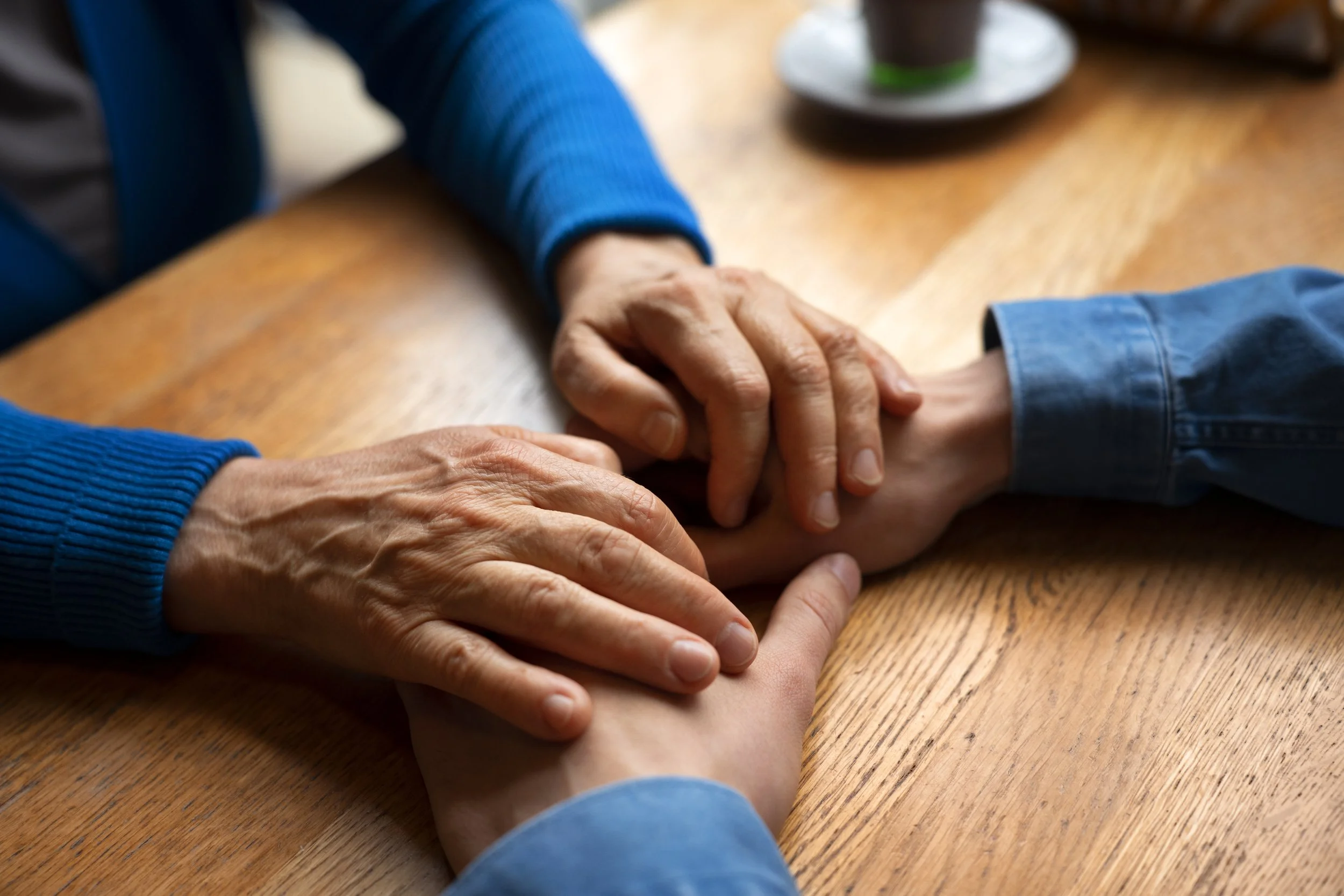
Supporting an older person to stay independent requires a shift in mindset. It's natural to want to step in and do things for them, especially when you can see them struggling. But sometimes the kindest thing you can do is step back and let them do it themselves, even if it takes longer or isn't done the way you'd do it.
Ask what they want help with rather than assuming. Offer choices rather than taking over. Respect their right to take risks, within reason, because a life wrapped in cotton wool isn't much of a life.
Your role is to be a safety net, not a cage.
At the same time, know your limits. You can't be everything to everyone. Make use of the support that's out there, council services, charities, community groups, and professional carers when needed.
And look after yourself too. Supporting someone else's independence is much harder if you're running on empty.
Independence Is a Partnership
Staying independent as you age isn't about refusing help or pretending everything is fine when it isn't. It's about finding the right balance between what you can do, what you need support with, and what matters most to you.
For older people, that means being honest about what's getting harder and being open to adaptations that make life easier.
For families, it means supporting without smothering, and trusting your loved one to know their own mind.
Independence looks different for everyone. The goal isn't to do everything alone. It's to keep living a life that feels like yours.
At Caafi Healthcare, we're here to help families find that balance. Whether you need guidance, practical support, or just someone to talk it through with, you don't have to figure it out alone.
Our home care team provides flexible support across Bristol from personal care, home help, and companionship to day and overnight care, sit-in support, and sensitive end of life care. We also support people living with neurodiversity, learning disabilities, mobility challenges, and those recovering after illness or hospital stays. Whatever you need, we work around your life, not the other way around.
📞 Call us on 0117 235 0410 📧 Email info@caafihealth.com 🌐 Or visit our Home Care services page to find out more